
In one clear definition
After a moment of yelling, there is often silence, guilt, or that familiar thought: "Why do I always end up here?" This is one of the most common and exhausting parenting loops. Not because parents don’t know what to do, but because the moment keeps unfolding the same way.
Boundaries without yelling are clear, consistent limits that do not rely on emotional intensity to become real.
They are understood without long explanations, held without escalation, and followed through without pressure or chaos. Not louder. Just clearer.
Why boundaries so often escalate
Most boundaries don’t start with yelling. They end there. The typical pattern looks like this: You ask nicely. You repeat. You explain. You negotiate. You get ignored. You feel tension building, and you finally snap. By the time the boundary becomes firm, both you and your child are already overwhelmed. And in that state, the only tool left is intensity.
"Yelling doesn't create the boundary. It appears when the boundary came too late."
This is not about "losing control". It’s about a system that delays clarity, relies on repetition, negotiates too long, and holds the line only when pressure is already high. When the boundary is delayed, the child keeps testing, the parent keeps increasing effort, and eventually, the only thing left that feels strong enough is volume.
Why yelling feels effective — but isn’t
Yelling often "works" in the moment because the child stops and the situation ends. But what actually happened? The boundary wasn’t understood earlier; it was forced through intensity.
This creates two long-term patterns: the child learns to respond to pressure, not clarity, and the parent becomes dependent on escalation. The cycle repeats because the system hasn’t changed. A boundary is not defined by how strongly you feel it. It is defined by how clearly and consistently it is held.
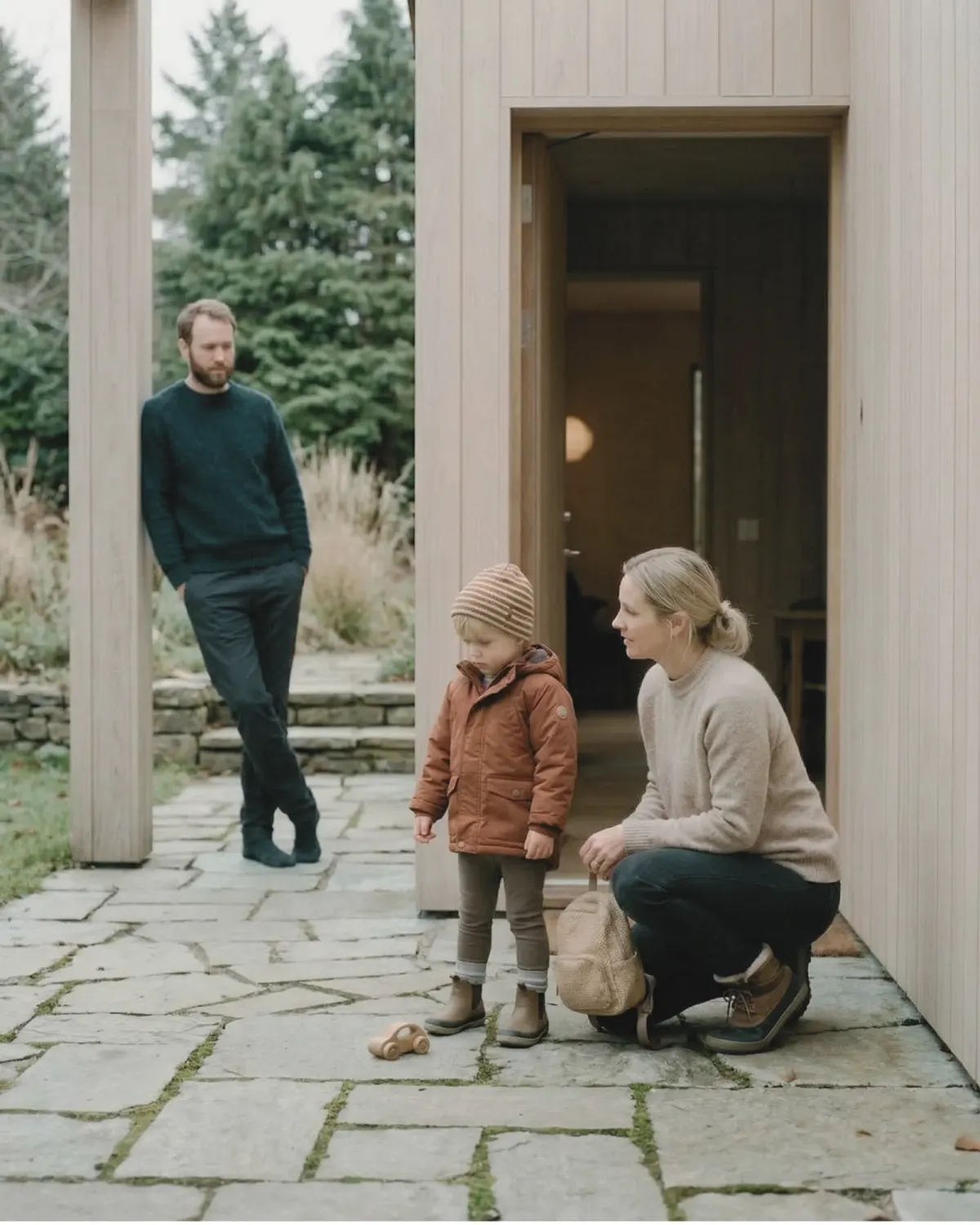
The difference between a calm boundary and an explosion
The difference is not personality. It’s timing and clarity. One builds tension, the other establishes safety.
A Delayed Explosion
- Starts soft and hesitant.
- Becomes highly repetitive.
- Builds tension and relies on negotiation.
- Ends in emotional intensity (yelling).
A Calm Boundary
- Starts clear and direct.
- Stays simple with fewer words.
- Does not expand into a debate.
- Is followed through without escalation.
What calmer boundaries actually look like
Calmer boundaries are not softer. They are more contained. They usually involve:
- Fewer words: Less explaining. More clarity.
- Earlier action: Not waiting until frustration builds.
- Less negotiation: Not everything is open for discussion.
- Steadier tone: Emotion does not carry the boundary.
- Consistent follow-through: The boundary does not disappear when emotions rise.
What they are NOT
They are not permissive (you are not giving up the limit). They are not passive (you are not waiting endlessly). They do not rely on endlessly gentle language (kind words alone do not create structure), and they do not avoid your child’s emotions. The child can feel upset, but the boundary can still stay. Both are true at the same time.
What this looks like in real life
- Leaving the park: Not: "Five more minutes… okay last one… now we’re leaving… why aren’t you listening?!"
But: "We’re leaving now." Calm. Clear. Moving. - Screen time ends: Not: "Just one more… okay but then off… seriously this time…"
But: "Time is up." And staying steady through the reaction. - Child refuses: Not arguing, convincing, or debating.
But: "I hear you don’t want to. We’re still doing this." - Big emotions: Not stopping the emotion.
But: "I see you’re upset." While still holding the boundary.
Why clarity reduces conflict
This is counterintuitive, but true: You don’t reduce conflict by being softer. You reduce conflict by being clearer. When boundaries are predictable, consistent, and not negotiated every time, children push less and test less. Not immediately, but over time.
A boundary is not what you say. It’s what happens next. If the boundary changes under pressure, the child learns: "Maybe this is still negotiable." Calm boundaries are said once, held steadily, and followed through—without anger and without long speeches.
What children learn from calm, clear limits
Children are not only learning where the boundary is. They are learning something much deeper: emotions can exist without chaos, limits don’t disappear when things get hard, and adults can stay steady. They learn: "I am safe, even when I don’t get what I want." This builds emotional regulation, trust, and long-term cooperation.
Why do so many parents end up yelling?
This is not about being a "bad parent". Most parents yell because they are mentally overloaded, constantly managing everything, stepping in too late, and trying to stay calm for too long without support. Yelling becomes the release. You are not yelling because you want to; you are yelling because the system is carrying too much.
Want to see what pattern is driving your daily conflicts?
Yelling is not a sign that you don’t know how to set boundaries. It is often a sign that the boundary came too late, after too much negotiation, inside a system that is already overloaded. When boundaries become earlier, clearer, and steadier, the need for yelling decreases.
If you recognize this pattern, you don’t need to try harder. You need to understand what is shaping it. Take the 2-minute Scandinavian Parenting Assessment to understand where your current dynamic sits — and how to move toward clearer, calmer limits.
Take the 2-Minute Assessment