
What confidence actually is
Confidence is often misunderstood. It is not loudness, extroversion, fearlessness, or constant success. Real confidence is much simpler and much deeper.
Confidence is the internal experience of "I can handle this." Not because everything is easy, but because the child has enough experience of trying, struggling, adjusting, and eventually managing. Confidence is not the absence of difficulty. It is the ability to stay in it.
"Confidence is not something you give to a child. It is something a child builds through experience. Children don’t become confident by being told they can. They become confident by discovering that they can."
What confidence is NOT
This is where most parenting advice goes wrong. Approaches that feel supportive often interrupt the very process that builds confidence. Confidence is not built through:
- Constant praise: "You're amazing" does not create capability.
- Reassurance before effort: "Don't worry, you'll be fine" replaces experience with words.
- Protecting from frustration: Avoiding difficulty prevents growth.
- Doing things for the child: Helping too early removes the opportunity to learn.
- Making things easier: Ease does not build strength.
Why children struggle with confidence
When a child avoids, hesitates or gives up quickly, it is rarely about personality. It is usually about experience. If a child has been helped too quickly, protected from difficulty, or relied on adult guidance for most steps, their internal experience becomes: "I don't know if I can do this."
Not because they are incapable. Because they haven't had enough opportunities to find out.
The hidden mistake: Overhelping
Most parents do not harm confidence intentionally. Because they care, they step in early, explain quickly, fix problems, and remove frustration. But over time, the child learns: "I don't need to try fully — someone will step in." Overhelping does not build confidence. It builds dependence.
What "Safe Struggle" looks like
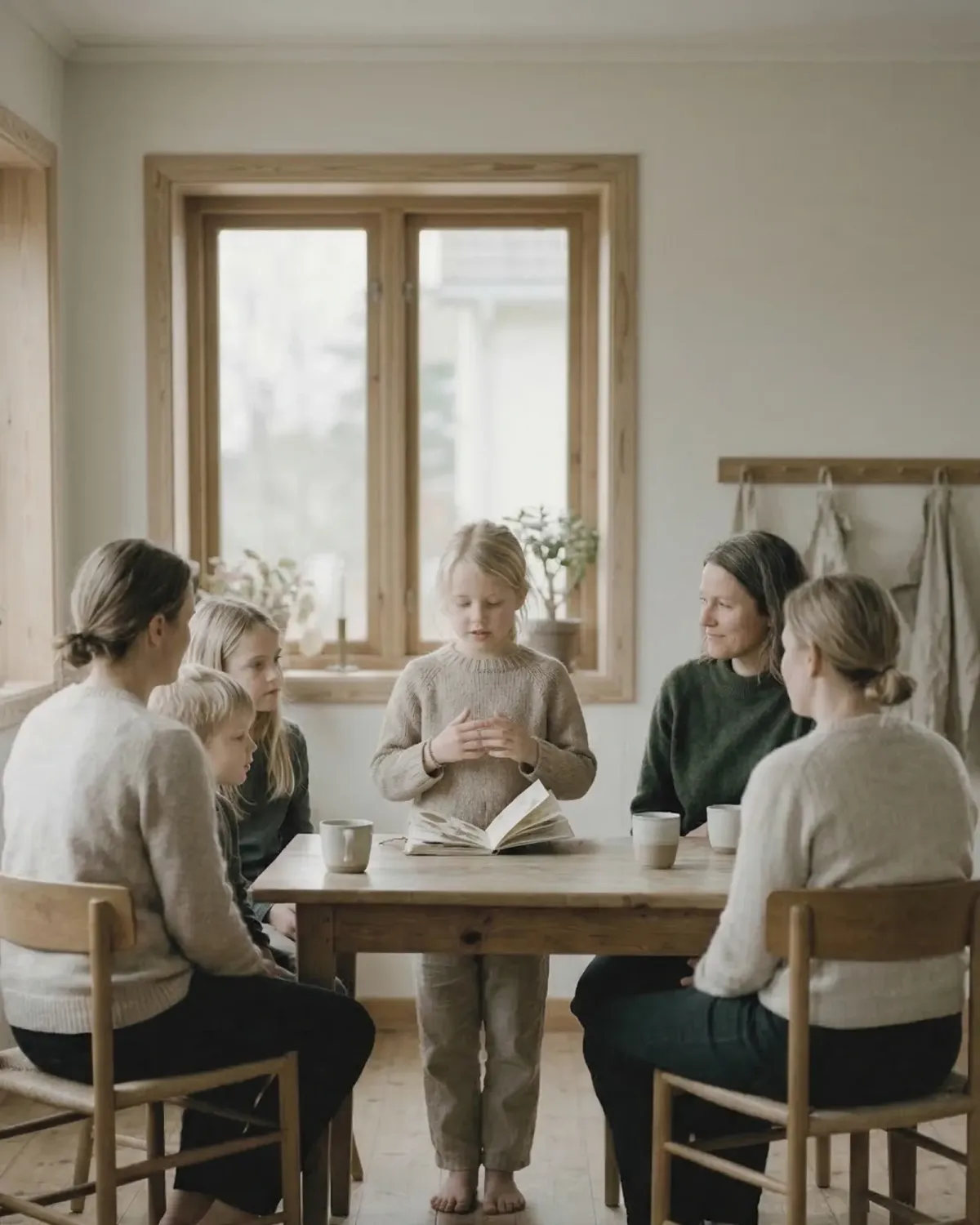
Many parents worry that if their child struggles, their confidence will drop. In reality, confidence grows through manageable struggle. The goal is not to leave the child alone, but to provide challenge with support nearby.
Safe Struggle sounds like:
- "I'm here. Try."
- "Take your time."
- "What do you think you could do next?"
Overhelping sounds like:
- "Let me do it."
- "Here, I'll show you exactly."
- "It's too hard for you."
What actually builds confidence over time
Confidence is not one moment. It is a pattern. It grows through repeated experiences like:
- Trying before receiving help: Getting a chance to engage first.
- Staying with difficulty a little longer: Not escaping immediately.
- Solving small problems independently: Building micro-experiences of capability.
- Recovering after frustration: Learning that emotions pass.
- Completing something imperfectly: Learning that effort matters more than perfection.
- Having adults who stay calm: Borrowing regulation instead of panic.
Each of these builds a quiet internal message: "I can do this. Or at least, I can try."
What undermines it
Even small daily patterns can weaken confidence over time. These patterns are common, often invisible, and include:
- Stepping in too early, which removes the learning moment.
- Giving answers too quickly, which stops thinking before it begins.
- Rushing the child, which creates pressure instead of competence.
- Over-reassuring, which replaces internal trust with external validation.
- Avoiding all frustration, preventing resilience from forming.
- Focusing only on outcomes, instead of effort and process.
Why praise alone is not enough
Praise feels good and has its place. But praise without experience is fragile. If a child hears "You're so good at this," but does not feel "I did this myself," the confidence does not fully anchor. Real confidence needs evidence, not just words.
The shift that changes everything
Instead of asking, "How can I make my child more confident?", a more powerful question is: "Where might I be interrupting the process that builds confidence?" Often, the issue is not what is missing; it is what is happening too early. Help comes too soon, reassurance comes too quickly, and the process never completes.
Common misunderstandings
Does confidence mean my child won't feel fear?
No. Confident children are not always loud, outgoing, or fearless. They are willing to try even if unsure, less dependent on constant reassurance, and able to recover after mistakes.
Do I need to push my child harder?
Building confidence is not about pushing the child or removing support. It is about adjusting the balance. Less doing for the child, more space for the child to do. Less protecting from difficulty, more supporting through it.
Want to understand what is shaping your child’s confidence?
Confidence is not something fragile that needs protection. It is something strong that needs opportunity. Not the opportunity to succeed easily, but the opportunity to try, struggle, adapt, and discover "I can."
Take the 2-minute Scandinavian Parenting Assessment to see which patterns may be influencing your child’s independence, resilience and belief in themselves — and where small changes could make a big difference.
Take the 2-Minute Assessment