
What Is Scandinavian Parenting?
A clear introduction to the philosophy, the principles behind it, and what makes it different from trend-based parenting advice.
Read articleMany loving parents think constant help is the answer.
But too much help can quietly reduce independence.
Starts instantly — no email needed
No signup required to start Parents like you complete it in under 2 mins
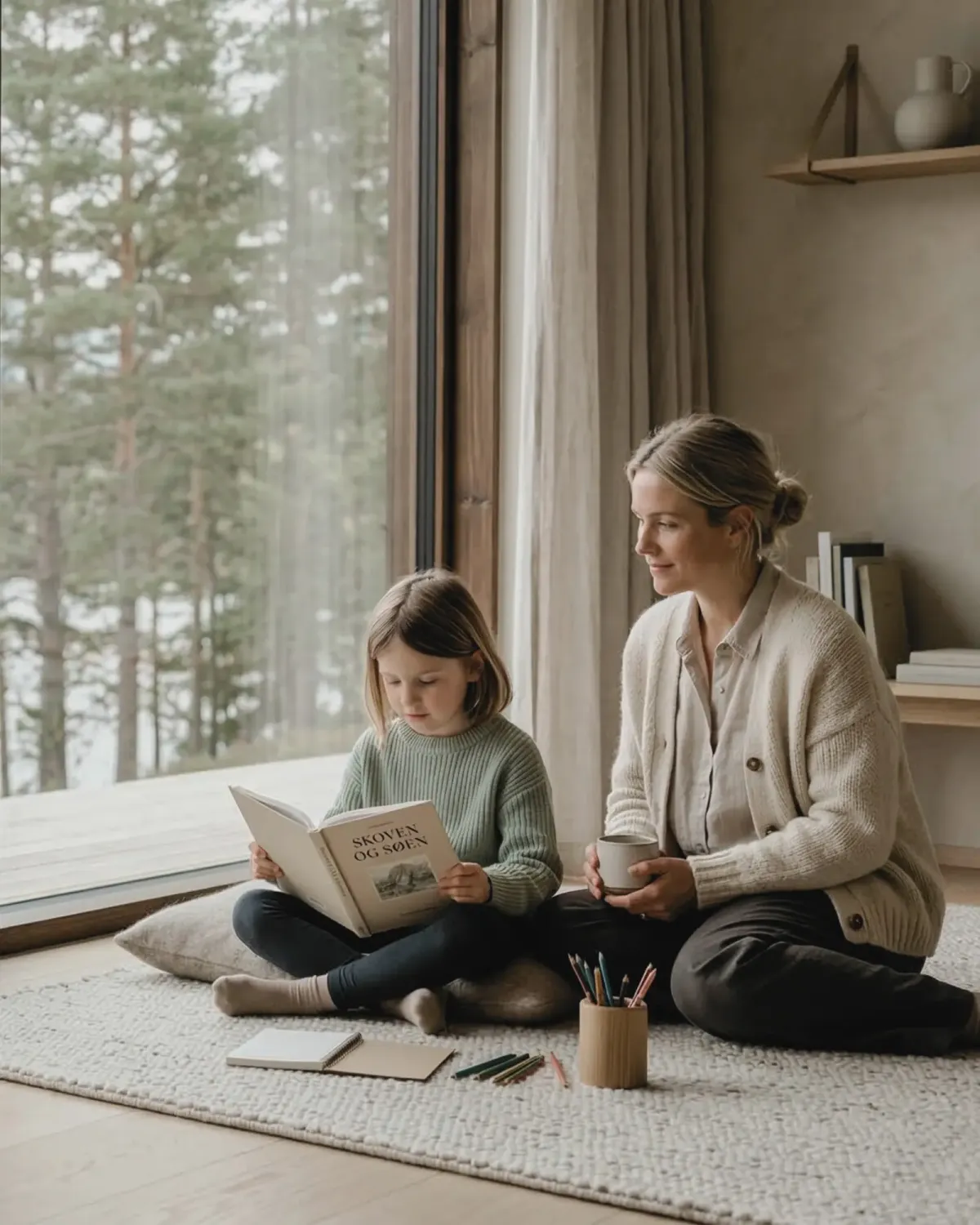
Photo: A calm Scandinavian approach to family life
Many parents don’t realize the pattern until they finally see it clearly.
Your child waits for you to solve things
You feel like the manager of the whole family
You repeat the same instructions every day
You step in quickly to avoid frustration
Many loving parents have quietly become the managers of the whole family system. They remind, prepare, regulate, negotiate, monitor, entertain, soften, rescue and absorb. Over time, that creates two forms of exhaustion: the parent carries too much, and the child gets too few opportunities to build real capability.
You become the manager of everything
Your child gets less chance to step up
The home starts revolving around reactions
Scandinavian Parenting offers another path: calmer leadership, less over-management and more room for the child to grow.
Before we start, one quick question:
Most parents answer instinctively.
Continue the Assessment →Our 2-minute Scandinavian Parenting Assessment helps you understand your current family dynamic and shows whether your child is building the foundations of resilience, independence and calm confidence — or whether you are still carrying too much of the daily load.
Most parents are surprised by what the assessment reveals.
Many parents say it’s the first time parenting suddenly made sense.
No signup required to start Instant results
is emerging as one of the most compelling alternatives to over-management and modern parenting overload. Born from Nordic culture, it focuses on three things modern parents often miss:
The goal is not to control children more. The goal is to help them need less control from you.
Understand where over-management, emotional rescuing or weak boundaries may be blocking your child’s natural capability.
Change the moments that matter most: boundaries, transitions, frustration, daily responsibility and follow-through.
Over time, children take more ownership, parents carry less mental load and the family atmosphere becomes steadier.
Rooted in research discussed across trusted media
The core principles of Scandinavian Parenting — emotional regulation, safe struggle, and child resilience — are supported by developmental psychology widely covered in public media.

*Logos represent publications covering the underlying psychological principles of our method, not direct features of the founders.
Scandinavian Parenting was built to offer something rare: a parenting philosophy that feels calm, elevated and deeply practical — while staying rooted in real psychological understanding and real developmental logic.

Founder of Scandinavian Parenting
European Child Psychologist • Mother of Five
Karolina’s work focuses on the emotional reality of family life: reducing parental mental load and rebuilding connection. Her role is translating deep psychological insight into simple, practical shifts you can use in the hardest moments of your day.
Children do not need a constant manager. Very often, when parents step back a little, children step forward.
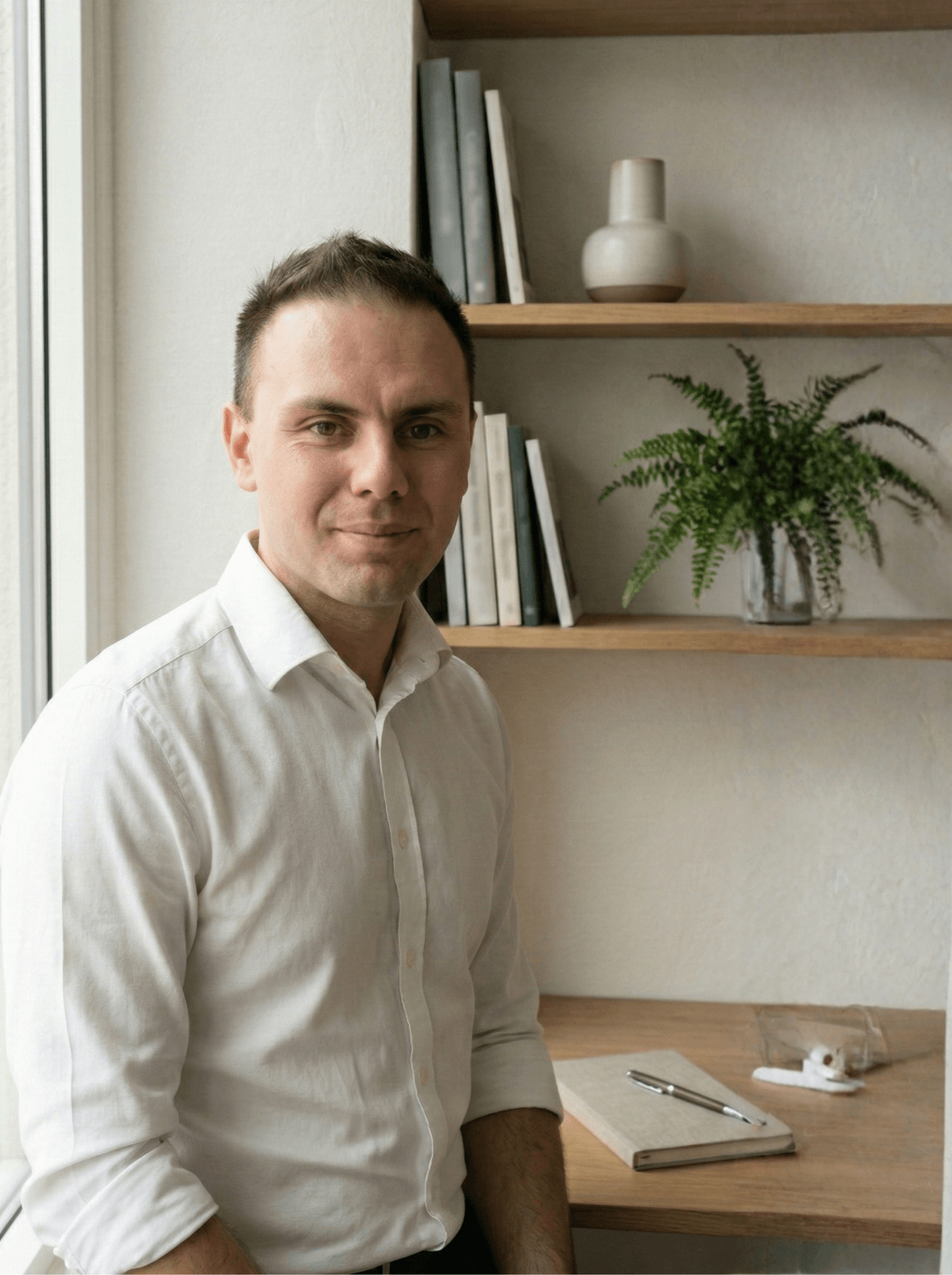
Research Director
Doctor of Medical and Health Sciences
Darius brings the research and systems thinking behind the Scandinavian Parenting model. He studies why clear structure and supported safe struggle build childhood resilience much more effectively than constant intervention.
Resilience and confidence do not grow from protecting children from frustration. They grow when children experience small challenges, clear boundaries and real responsibility.
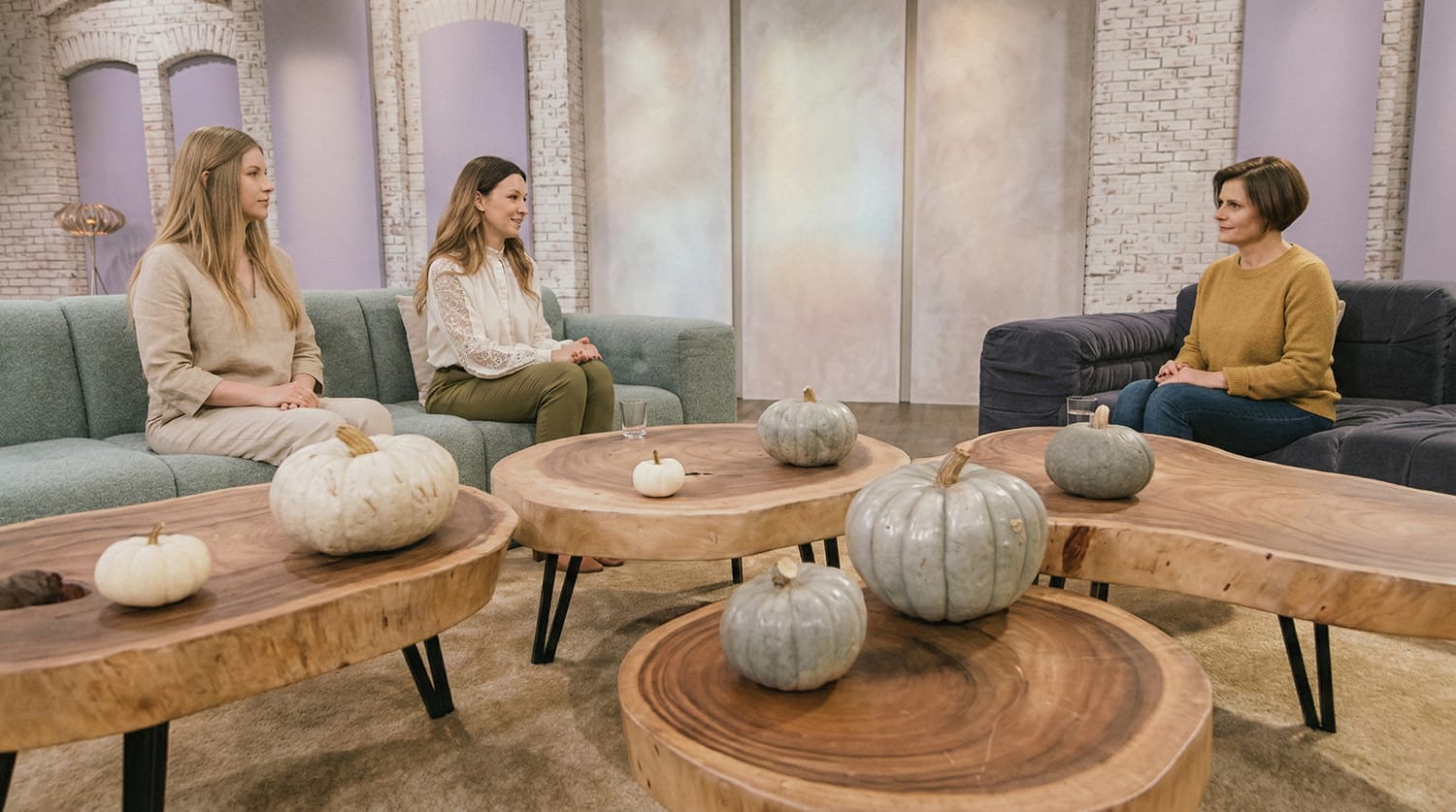 Featured on national television
Featured on national television discussing parenting, emotional regulation and family dynamics.
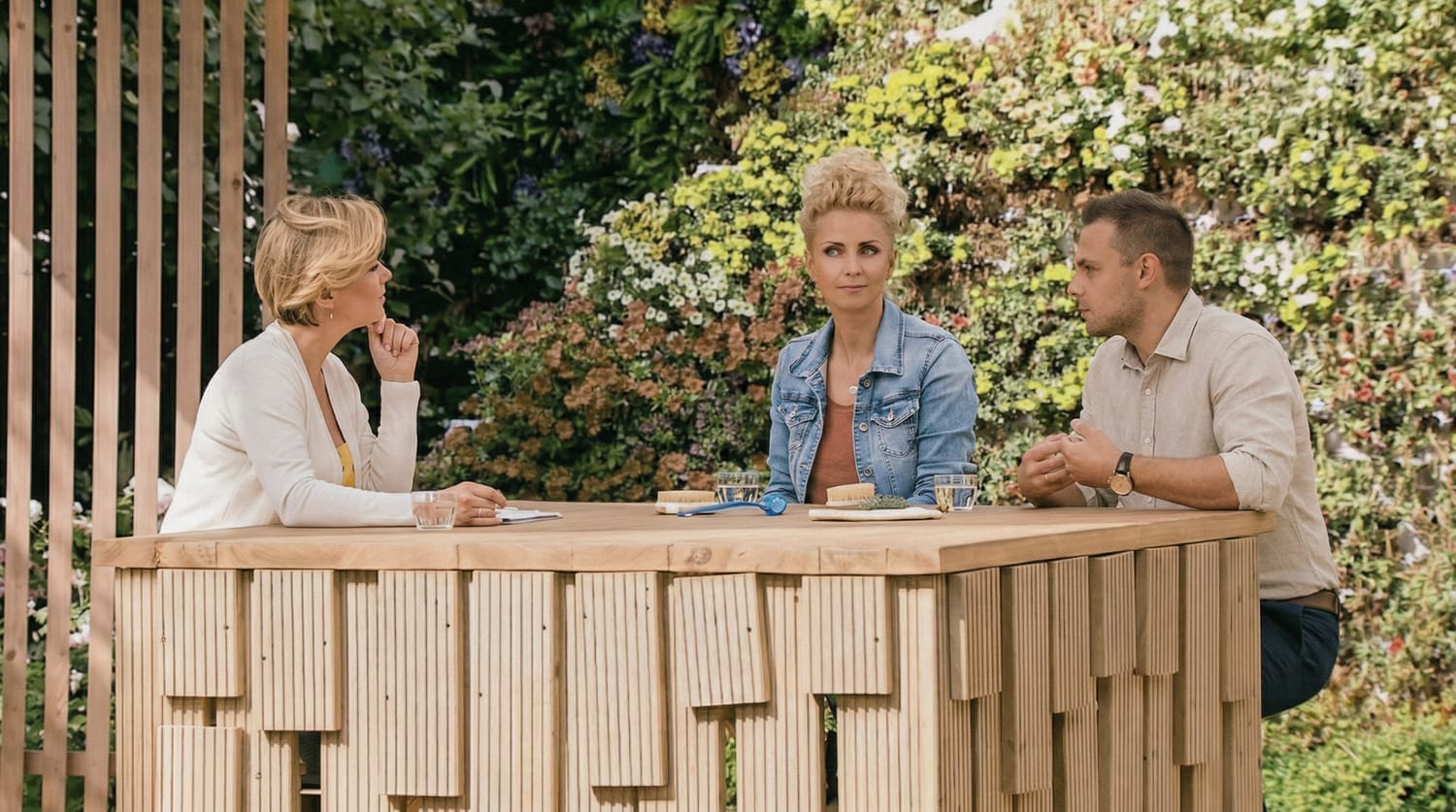 Featured on national television
Featured on national television discussing family systems and research-informed parenting.
Not overnight perfection — but calmer dynamics, clearer boundaries and children who begin to step forward more naturally.
"The routine system put packing his bag on autopilot. Weight lifted off my shoulders. I finally feel like a parent again."
"Getting out used to be a debate. Learning to hold a boundary without negotiating was a massive relief for my mental health."
"Stepping back was hard, but watching him figure out homework alone was amazing. Less fights, more peace."
Scandinavian Parenting is not about being softer, stricter or more perfect. It is about helping children grow more capable while parents carry less of the daily emotional and practical load. Calm. Clear. Research-based.
They think they are helping their child constantly. But the assessment often shows that too much help quietly reduces independence.
Sometimes one clear insight changes the whole direction of family life.
Average completion time: 1 minute 48 seconds
Take the 2-Minute AssessmentResults appear instantly after completion.
2 minutes No signup required Instant results
Quick orientation
Whether you want quick clarity, a deeper understanding of the method, or practical parenting guidance, this is the best place to begin.
Get a fast, personalized view of your current parenting pattern and what it may be teaching your child.
Start the 2-Minute AssessmentLearn what Scandinavian Parenting is, how it works, and why calm leadership, safe struggle, and real independence matter.
Explore the MethodExplore articles on independence, boundaries, resilience, emotional regulation, and parental mental load.
Browse ArticlesPractical entry points
Many parents arrive here because something in daily family life feels heavier, harder or more repetitive than it should. Scandinavian Parenting helps make sense of those patterns.
Knowledge hub
Explore foundational reading that defines the method, answers high-intent parenting questions and strengthens branded search discoverability.
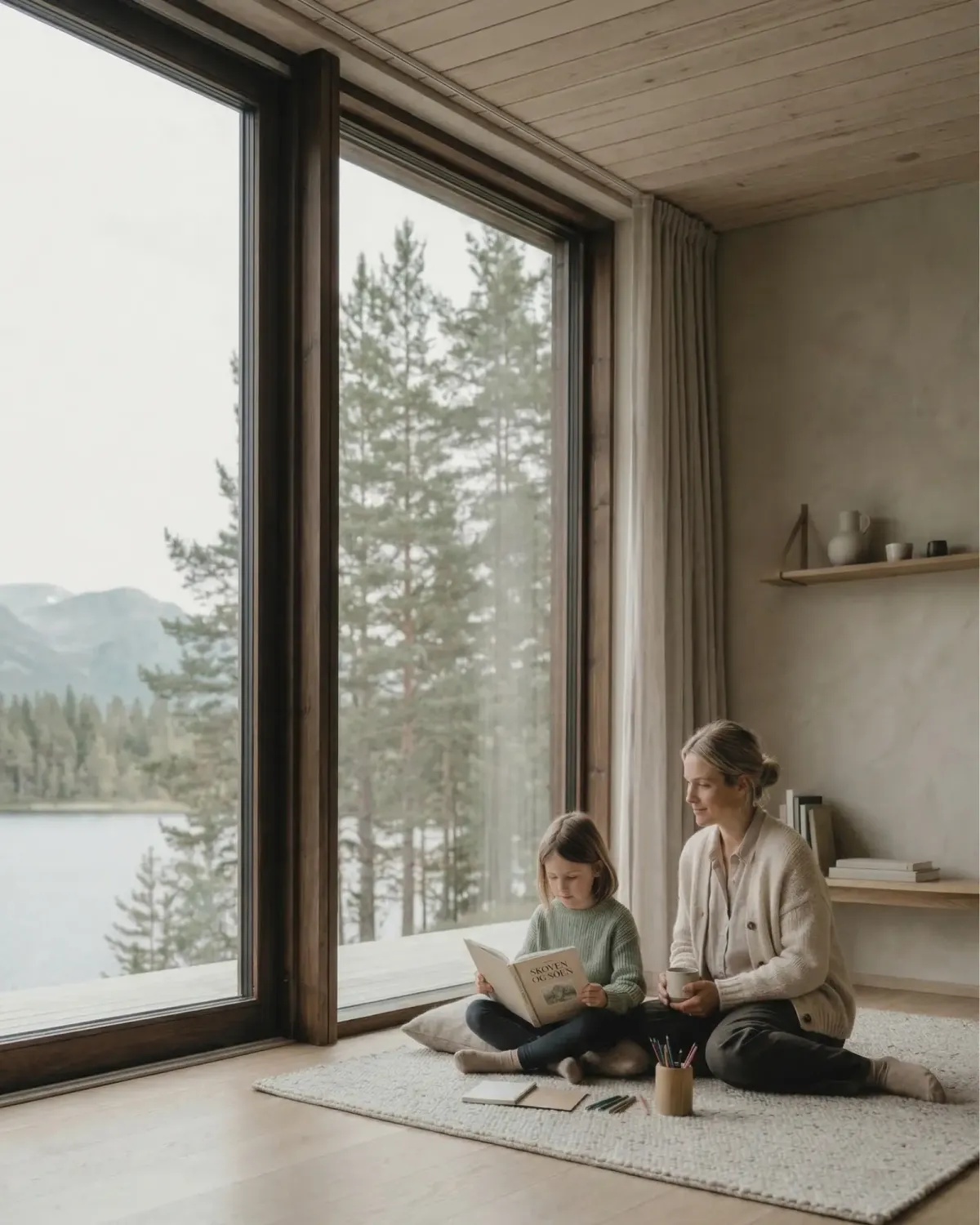
A clear introduction to the philosophy, the principles behind it, and what makes it different from trend-based parenting advice.
Read article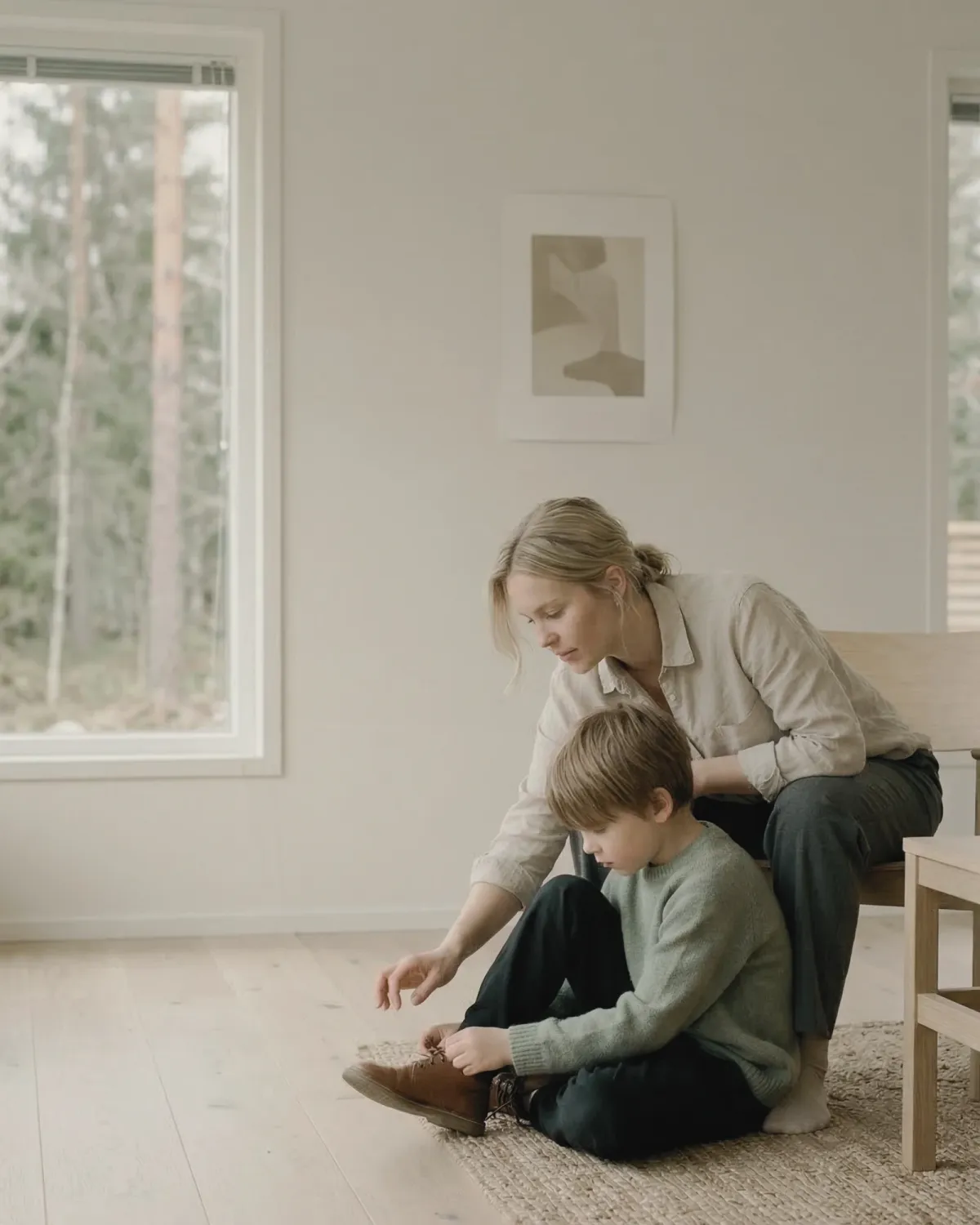
Why loving, constant intervention can make it harder for children to build capability and confidence.
Read article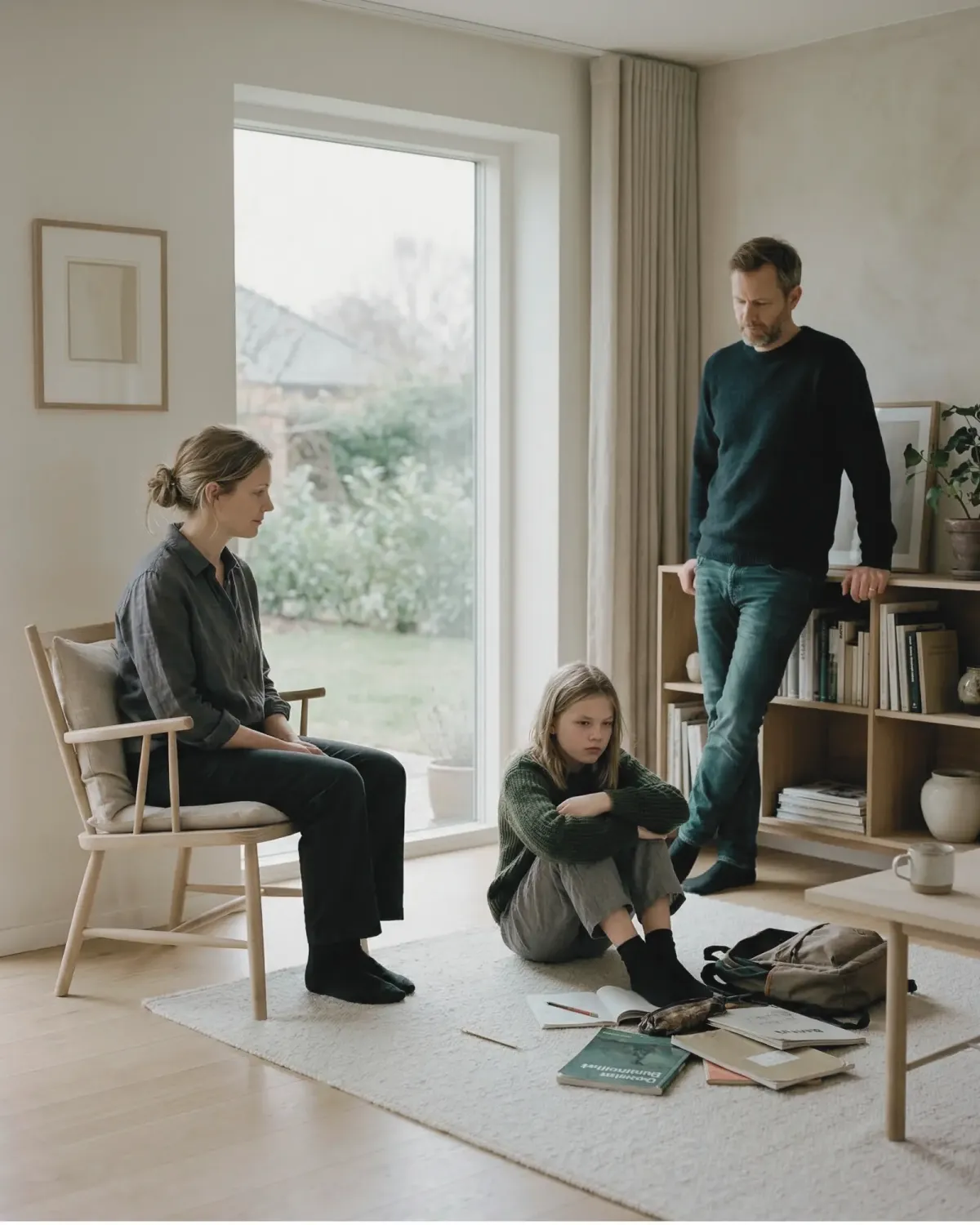
How to stay warm and connected without becoming reactive, permissive or overwhelmed.
Read article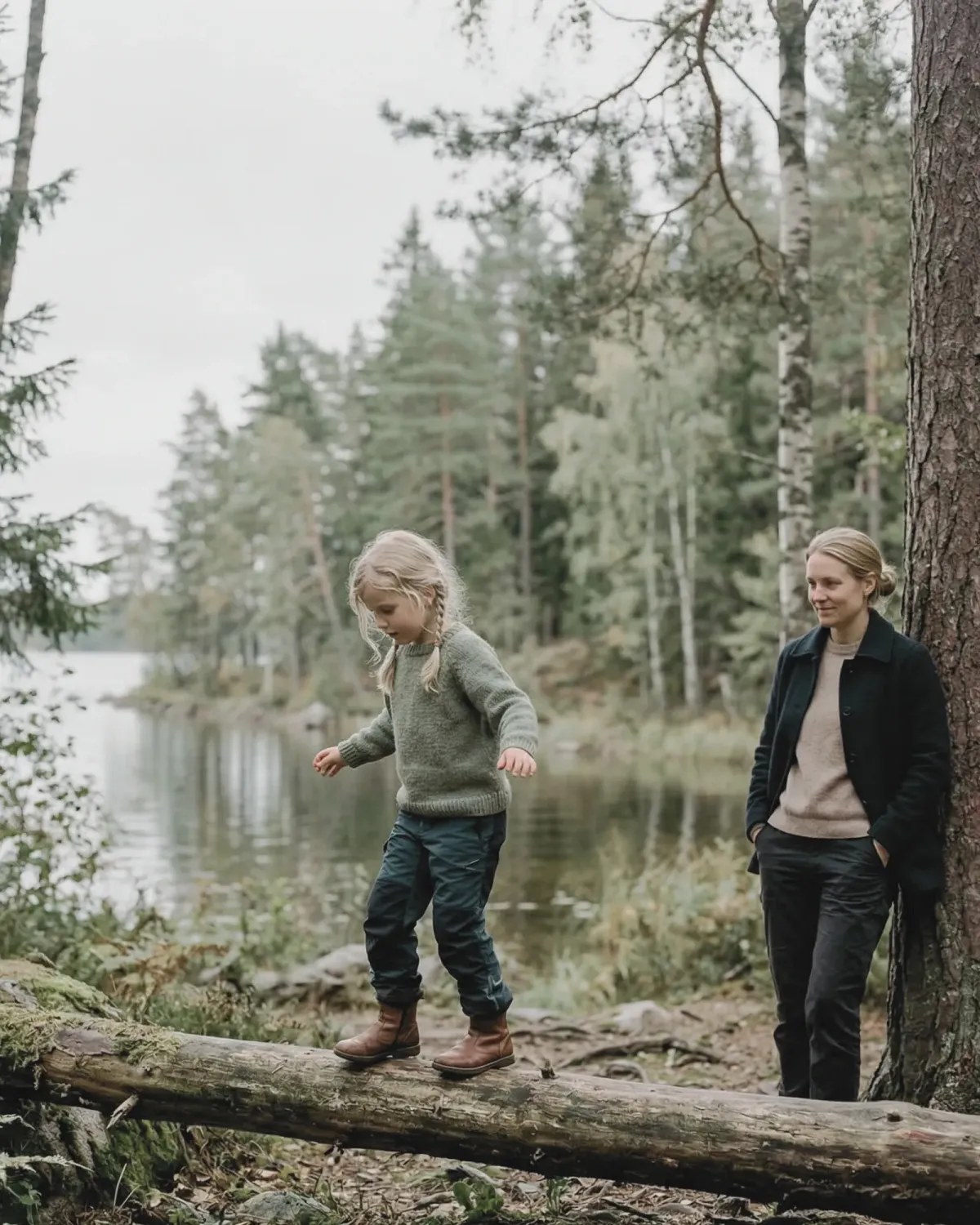
What children learn when adults don’t remove every frustration too quickly.
Read article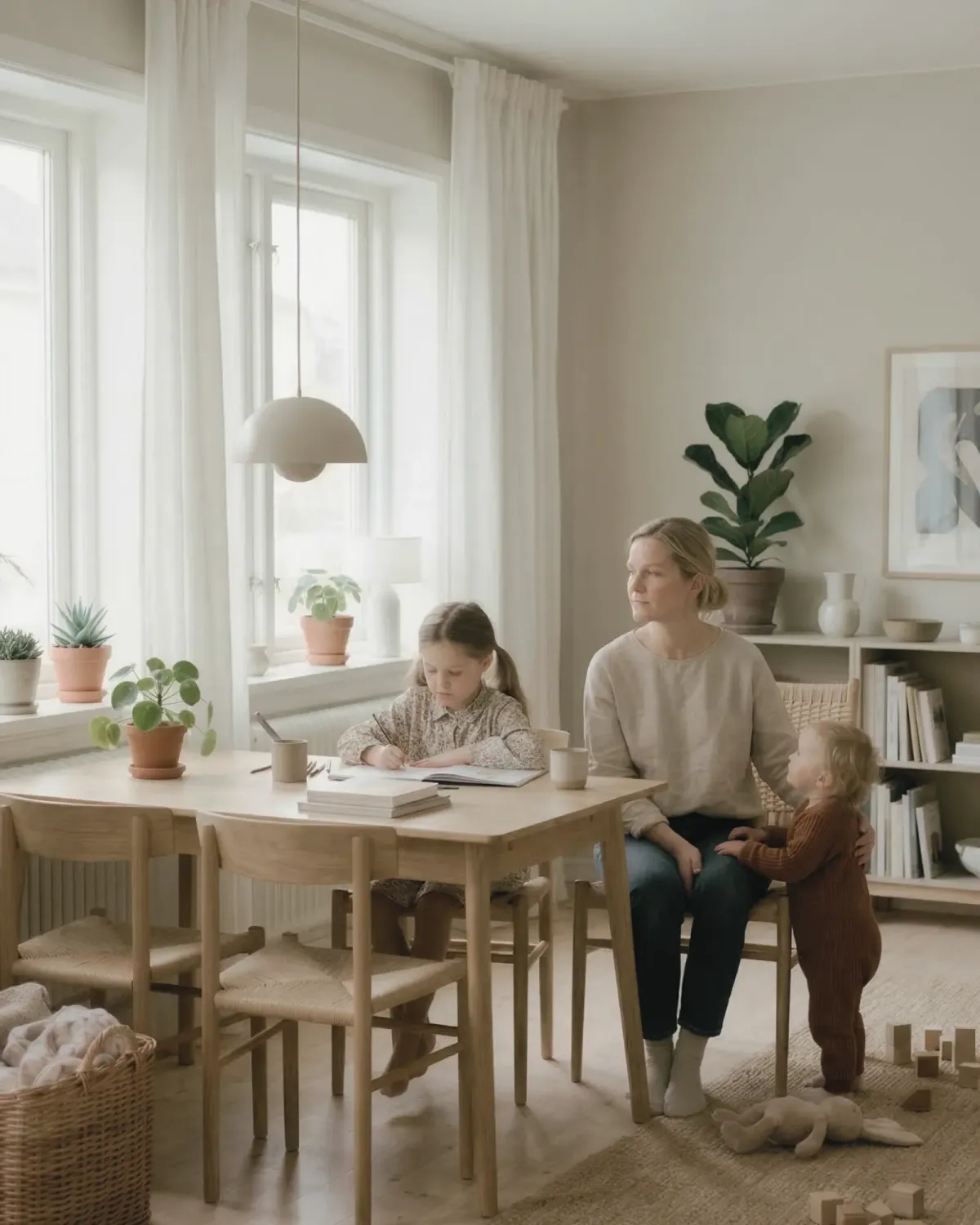
A look at invisible labor, daily over-responsibility and how family dynamics can shift.
Read article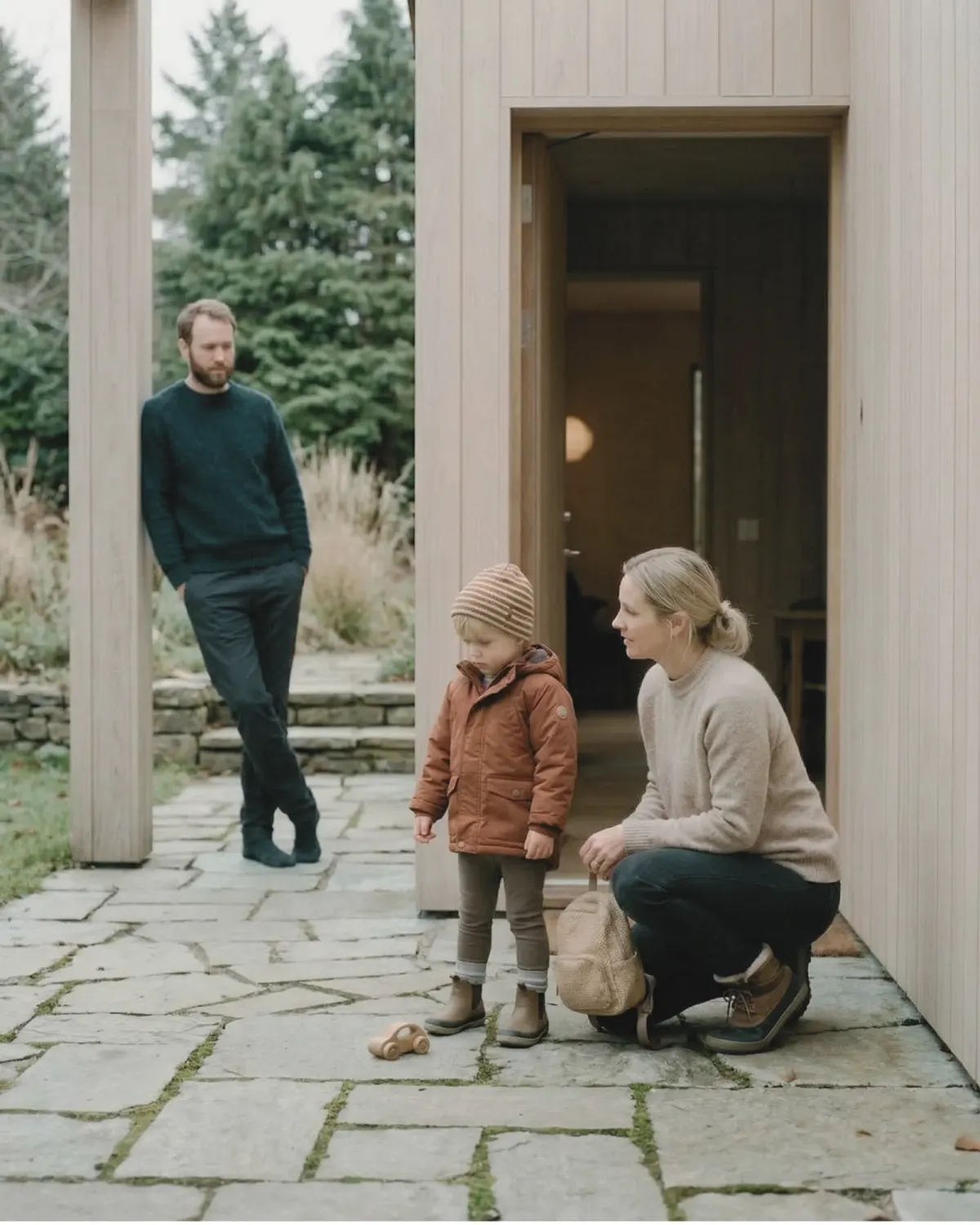
How to create structure without losing connection or repeating yourself all day.
Read articleReturning visitors & branded search
Parents often discover Scandinavian Parenting through the assessment. But many stay because they want a calmer, more coherent way to understand family life — one that feels practical, grounded and psychologically informed.
Not random tips or trend-based advice, but a consistent framework for understanding capability, boundaries, emotional steadiness and family dynamics.
Scandinavian Parenting is shaped by psychological insight, family systems thinking and a practical understanding of what everyday parenting actually feels like.
The method is meant to work in transitions, resistance, routines, emotional overload and daily family friction — not just in ideal moments.
The goal is not becoming a perfect parent. The goal is making the family dynamic steadier, calmer and more capable over time.